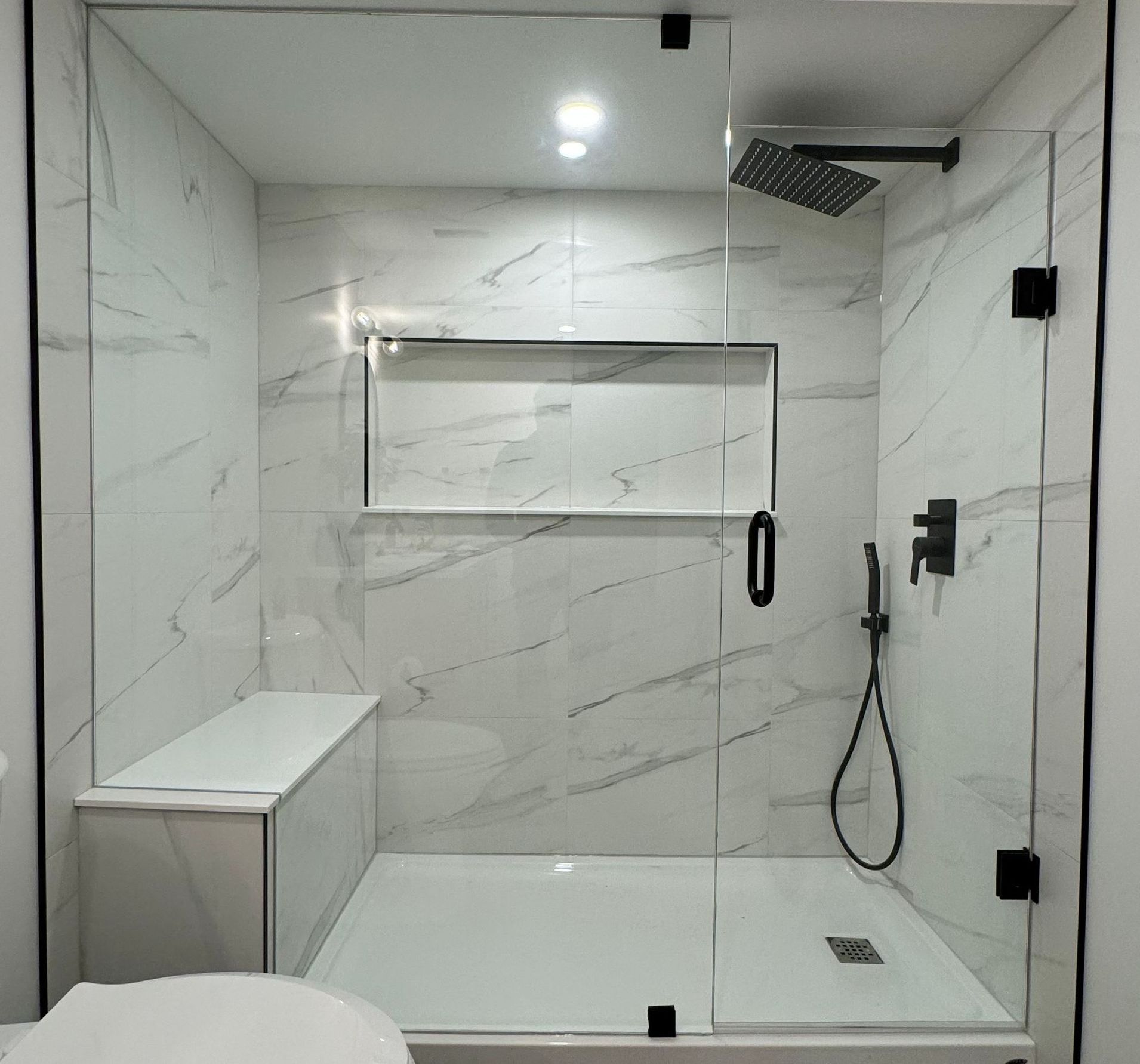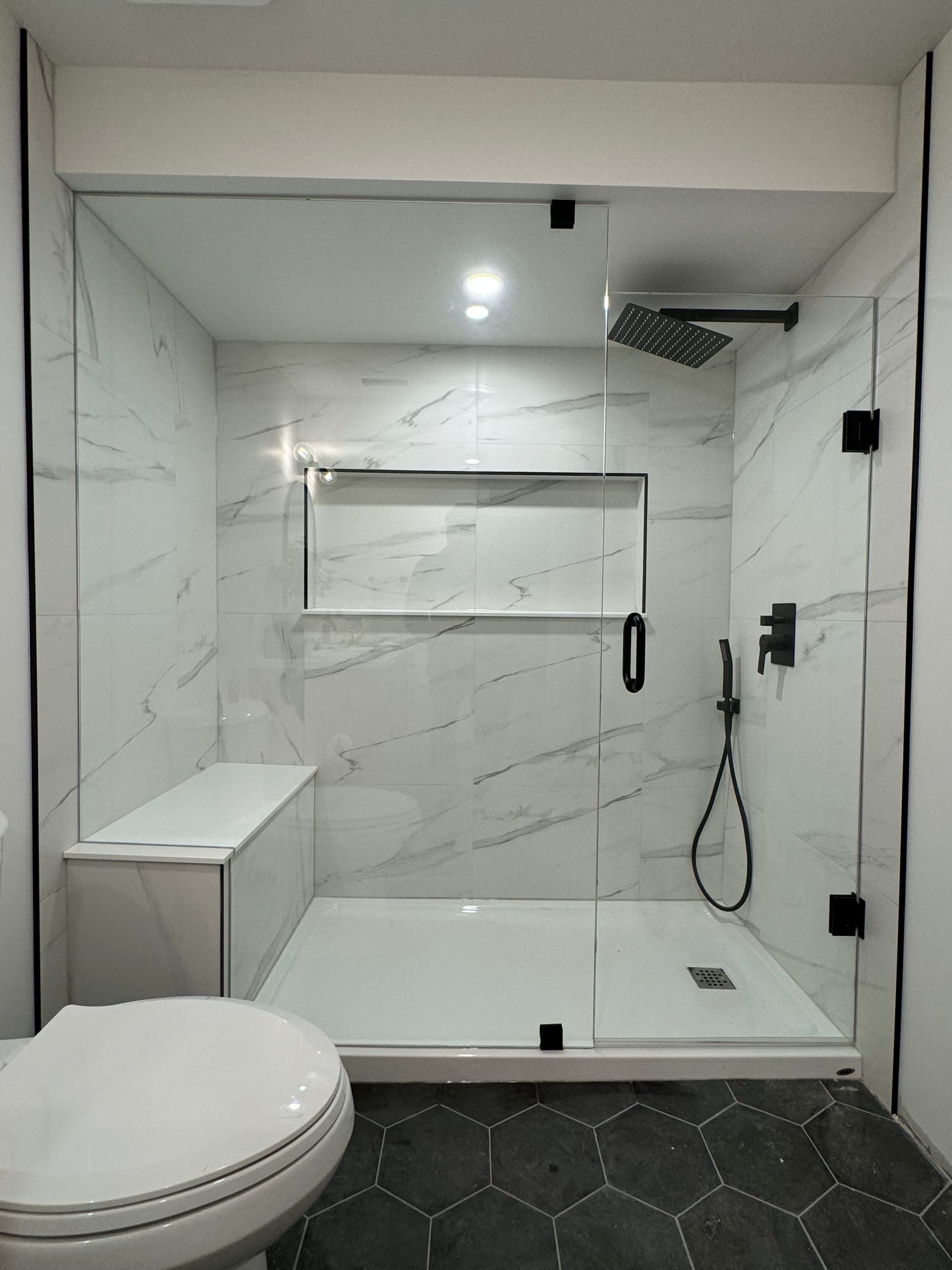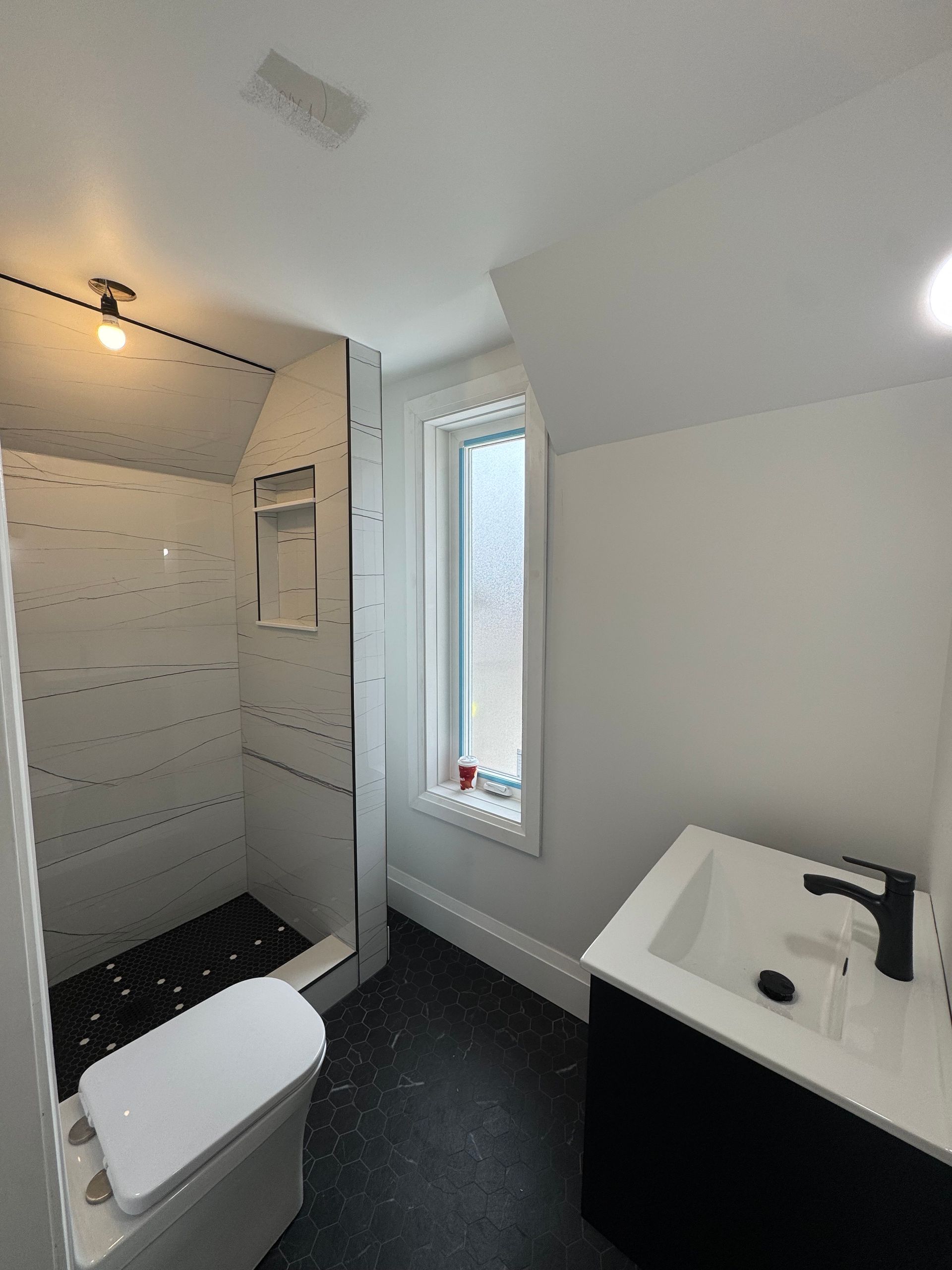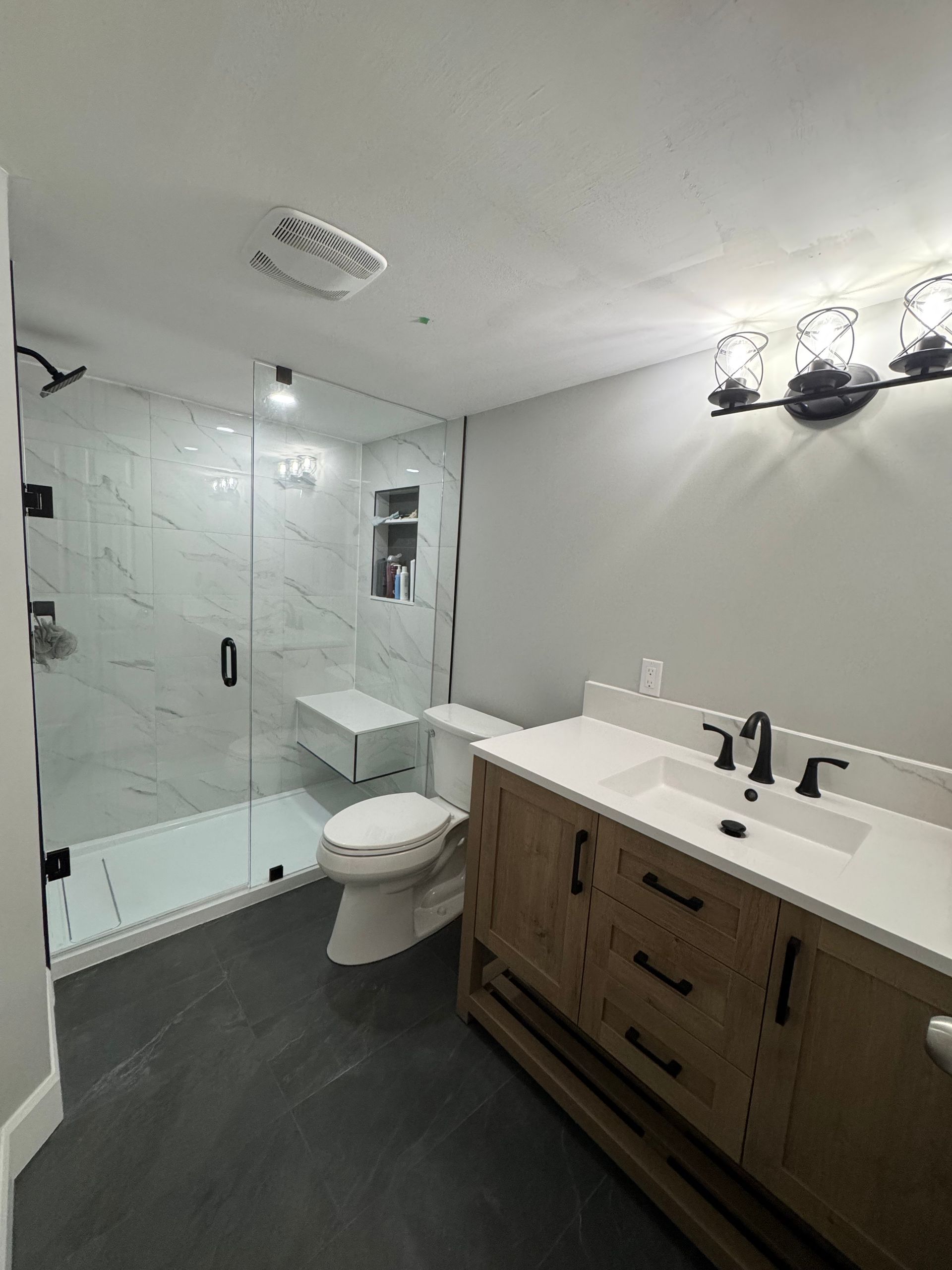
What Are the Most Efficient Layouts for a Master Bathroom?
This is a subtitle for your new post
What Are the Most Efficient Layouts for a Master Bathroom?
The Ultimate Deep-Dive Guide to Space Planning, Zoning, and Flow Optimization
Designing efficient layouts for a master bathroom is not just about fitting fixtures into a room. It is about engineering movement, privacy, plumbing economy, lighting flow, and long-term usability into a space that gets used every single day.
The difference between a bathroom that feels cramped and one that feels luxurious often comes down to layout logic — not square footage.
When we talk about:
- Efficient master bathroom floor plans
- Space-saving master bathroom layouts
- High-function master bath configurations
- Optimized master suite bathroom designs
- Practical master bathroom layouts
We’re talking about how intelligently the room performs.
This article breaks down each of the most efficient layouts for a master bathroom in expanded, technical detail — including dimensional guidance, plumbing efficiency strategy, circulation science, storage integration, and resale value implications.
1. Single-Wall Master Bathroom Layout
(The Most Plumbing-Efficient Master Bathroom Configuration)
The single-wall layout is one of the most cost-effective and efficient layouts for a master bathroom from a construction perspective. All primary plumbing fixtures — vanity, toilet, shower, and tub — align along one continuous wall, known as a wet wall.
Why This Is a High-Efficiency Master Bath Layout
Plumbing consolidation:
Every fixture shares one supply and drainage spine. This dramatically reduces:
- Pipe length
- Venting complexity
- Slab penetration
- Labor time
- Future repair risk
In renovation projects, especially when converting adjacent bedrooms into master suites, this type of optimized master bathroom layout avoids moving structural beams or rerouting main drains.
Predictable construction cost:
Because the plumbing stack is centralized, contractors can estimate more accurately. That predictability alone makes it one of the most financially efficient master bathroom floor plans available.
Ideal traffic logic for narrow rooms:
With fixtures on one side and circulation on the other, the movement path becomes clear and unobstructed.
Ideal Dimensions
- Minimum width: 5’–6’
- Optimal width: 7’–8’
- Ideal length: 10’–14’
Efficiency Upgrade Strategies
- Floating vanity to visually expand the floor
- Wall-hung toilet to reduce footprint
- Curbless shower to eliminate barriers
- Recessed storage niches
Limitation
Less natural zoning. Without partitions, privacy must be created through clever visual blocking (frosted glass, half walls, lighting layering).
2. Galley Master Bathroom Layout
(One of the Most Practical and Balanced Master Bathroom Layouts)
The galley or corridor design places fixtures on two parallel walls with a central walkway between them.
This is one of the most space-optimized master bathroom layouts for couples because it allows simultaneous use.
Why It’s a Highly Functional Master Bath Configuration
Dual-user efficiency:
One side can contain a double vanity while the opposite wall houses the shower and toilet. Two people can operate independently without congestion.
Natural zoning without walls:
Even without partitions, separation feels intuitive. This makes it one of the best efficient layouts for a master bathroom where square footage is limited but multi-user flow matters.
Maximum wall storage potential:
Both walls can support:
- Linen towers
- Built-in cabinetry
- Medicine cabinets
- Integrated lighting
Ideal Dimensions
- Minimum width: 6’
- Comfortable width: 7’–9’
- Length: 10’–16’
Advanced Optimization Strategy
Placing the shower at the far end elongates sightlines, making the room feel larger and increasing perceived luxury.
3. L-Shaped Master Bathroom Layout
(Zoned and Flow-Optimized Master Bathroom Design)
An L-shaped layout wraps fixtures around two adjoining walls, forming a natural division between grooming and wet zones.
This configuration is one of the most strategically zoned efficient layouts for a master bathroom.
Why It Works So Well
Visual and functional separation:
Vanity on one leg. Shower and toilet on the other. This automatically divides activity types.
Improved privacy:
The toilet can tuck into the corner of the “L,” removing it from direct sightlines.
Better acoustic control:
Because fixtures are not linear, sound diffusion improves slightly compared to single-wall layouts.
Ideal Dimensions
- 8’ x 10’ minimum
- Ideal at 9’ x 12’ and above
Efficiency Enhancement
Install a partial-height wall between vanity and shower to preserve light while enhancing separation.
4. U-Shaped Master Bathroom Layout
(Storage-Dominant Efficient Master Bath Floor Plan)
A U-shaped configuration uses three walls for cabinetry and fixtures, leaving a central circulation core.
This is one of the most storage-efficient master bathroom layouts available.
Why It’s Highly Functional
Maximum cabinet real estate:
Perfect for couples with extensive grooming products.
Symmetrical design:
Ideal for double vanities on opposing walls.
Defined center movement space:
Circulation is predictable and comfortable.
Ideal Dimensions
- Minimum: 12’ x 12’
- Ideal: 12’ x 14’+
Warning
Over-cabinetry can reduce visual openness and make even a large room feel confined. Balance is key.
5. Split-Zone Master Bathroom Layout
(The Most User-Efficient Master Bathroom Layout)
This layout divides the master bathroom into dedicated zones:
- Grooming zone (vanity)
- Wet zone (shower/tub)
- Private zone (enclosed toilet room)
Among all efficient layouts for a master bathroom, this is often the best for couples.
Why It’s the Most Functionally Efficient
True multi-user capacity:
Three separate zones allow simultaneous usage.
Improved resale value:
Water closets are considered premium in modern builds.
Acoustic and odor control:
Isolation improves comfort.
Ideal Dimensions
- 10’ x 12’ minimum
- 12’ x 14’+ ideal
Professional-Level Optimization
Use pocket doors for toilet rooms to save swing clearance and maximize usable square footage.
6. Wet Room Master Bathroom Layout
(Ultra-Modern Space-Maximizing Bathroom Design)
In a wet room configuration, the shower area is fully waterproofed and often integrated with the tub.
This is one of the most spatially efficient master bathroom layouts for modern homes.
Why It’s Highly Efficient
No shower enclosure barriers:
Eliminates glass, curbs, and swing doors.
Easier cleaning:
Fewer seams and joints.
Aging-in-place friendly:
No step-over thresholds.
Engineering Considerations
- Full membrane waterproofing
- Proper floor slope (1/4" per foot standard)
- High-performance ventilation
Universal Efficiency Principles for Any Master Bathroom Layout
Regardless of which efficient master bathroom floor plan you choose, these principles determine success:
1. Maintain Proper Clearances
- 15” from toilet centerline to wall
- 36” walkway minimum
- 21” minimum clearance in front of fixtures
2. Keep Wet Zones Clustered
Reducing pipe length improves both construction efficiency and long-term maintenance reliability.
3. Design in Functional Zones
- Grooming
- Bathing
- Private
- Storage
- Circulation
4. Optimize Natural Light Placement
Place vanities near windows when possible. Avoid positioning the toilet in direct view upon entry.
5. Build Vertical Storage
- Recessed medicine cabinets
- Shower niches
- Linen towers
- Under-vanity drawer systems
Final Verdict: Which Is the Most Efficient Layout for a Master Bathroom?
For most homeowners seeking:
- Multi-user flow
- Long-term comfort
- High resale appeal
- Balanced plumbing efficiency
The Split-Zone Layout with clustered wet areas ranks highest among all efficient layouts for a master bathroom.
However:
- For narrow spaces → Galley
- For budget renovations → Single-wall
- For storage priority → U-shaped
- For modern accessibility → Wet room
The true key to an efficient master bathroom layout is not size — it’s intelligent space planning.